Then $99 per month. Credit card required. Cancel anytime.

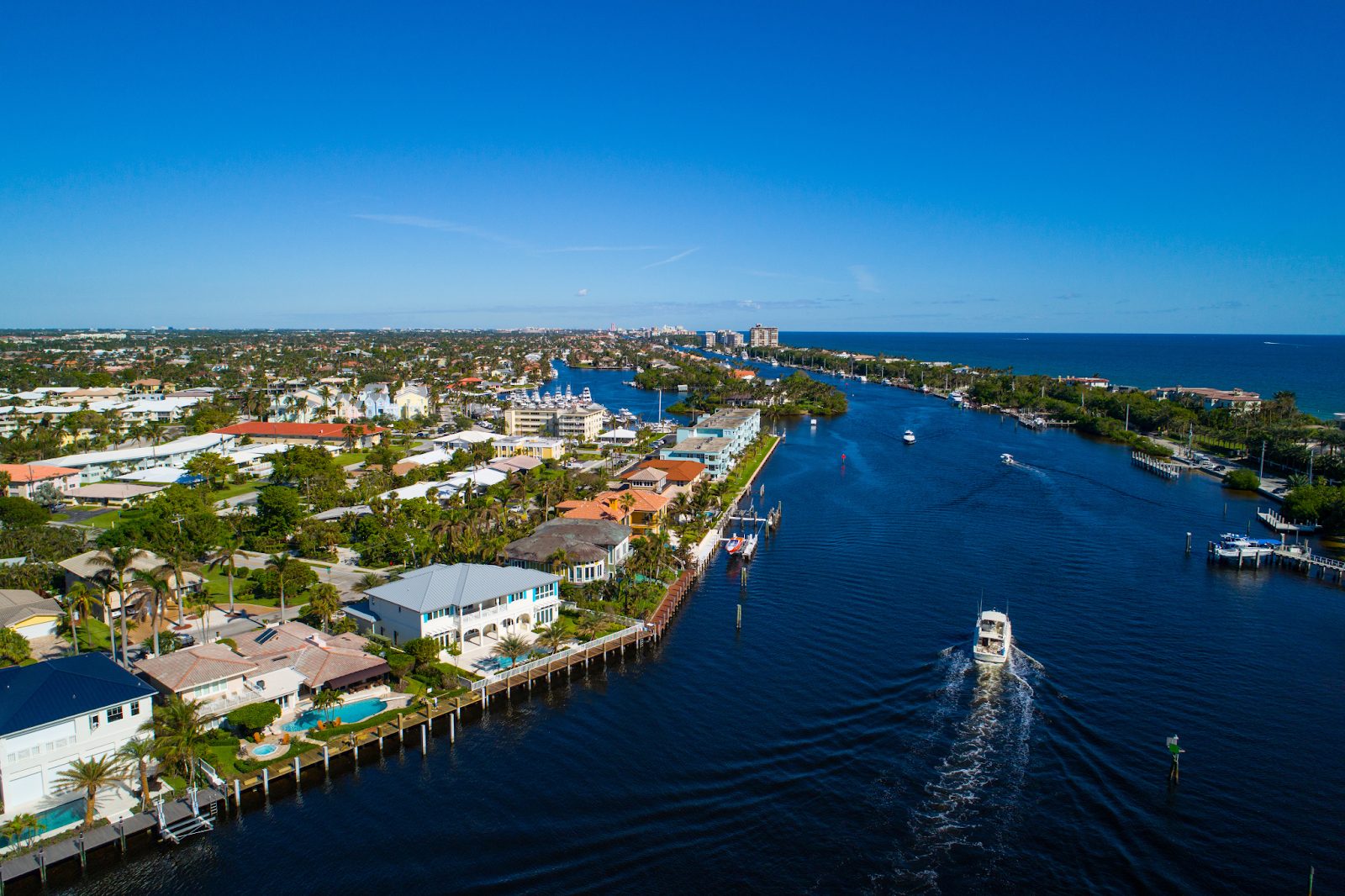
Marine permitting in Columbia County
What the public record says about permitting docks, seawalls, boat lifts, and other residential marine work in Columbia County, Florida — and how to get through it smoothly.
Columbia County by the numbers
These benchmarks come from our analysis of public permit records — real filings, real decisions, real timelines.
4,422
Permit records analyzed
Public records, 1970–2026
28
Median days to approval
Typical range 12–79 days (middle 50%)
June & March
Busiest application months
June, March, May see the most filings
1.0
Avg. correction rounds
Among permits that received a request for more information (n=24)
Zoning & land use come first
Before any dock, seawall, or lift is designed, your project has to fit Columbia County’s zoning and land-use rules. Confirming this early is the cheapest way to avoid a redesign later.
Zoning district
Your parcel's zoning (residential, conservation, waterfront overlay) sets what marine structures are allowed and how close to the property line and water they can sit.
Setbacks & limits
Riparian setbacks, dock length and coverage caps, height limits, and shoreline buffers are checked against your survey before a permit can move forward.
Overlays & approvals
Coastal construction, manatee-protection, or special overlay zones can add a zoning review or variance step — worth confirming before you spend on design.
Zoning rules are set locally and change over time. Always confirm the current requirements for your specific parcel with the Columbia County zoning or planning office (or a licensed professional) before relying on them.
Your permitting journey, end to end
A typical Florida waterfront project moves through six phases. Many overlap — the survey can start while zoning is confirmed — so the whole journey usually runs shorter than adding every phase together.
- 1Zoning2–4 wks
- 2Surveyor2–4 wks
- 3Engineering / Environmental3–5 wks
- 4Application prep1–2 wks
- 5Permit review8–16 wks
the longest, least predictable stretch
- 6Approval1–2 wks
Typical ranges for residential Florida waterfront projects. Many phases overlap, so the whole journey usually runs shorter than adding every phase together. Permit review timelines vary by county, agency, project type, and how complete your first submission is — these are planning estimates, not guarantees.
Before you can apply
Permit review is the last leg of the journey. Most projects need a few professional steps completed first — these often start with Surveying, followed by Engineering and shape your overall timeline.
Surveying
2–4 weeksA licensed surveyor documents your shoreline, water depths, and property lines — the foundation every drawing is built on.
Engineering
3–4 weeksAn engineer prepares stamped plans for your dock, seawall, or lift so the design meets code and can be reviewed.
Environmental assessment
2–4 weeksSeagrass, resource, and habitat checks confirm your project protects the waterway before it reaches an agency.
Who reviews marine permits here
Depending on your project and its location, review can involve the county itself, state agencies, water management districts, and federal reviewers. In the records we analyzed for Columbia County, these agencies appear most often:
What to expect
A clean, complete submission in Columbia County typically reaches a decision in about 28 days — but incomplete applications can take far longer once correction rounds start.
Most delays are avoidable: missing surveys, unsigned engineering, or overlooked agency sign-offs are the usual culprits behind requests for more information.
The Tideway platform uses historical permitting data and TideAI to help identify likely requirements and common problems earlier, so submissions are less likely to come back for avoidable corrections.
A complete, internally consistent package in front of every reviewer the first time is the best way to reduce the rounds of agency corrections that add calendar time.
About these numbers: benchmarks are computed from 4,422 public permit records filed 1970–2026 across the agencies that publish data for Columbia County. Medians describe past filings, not promises — every project is different, record coverage varies by agency and year, and processing times change. Timeline figures reflect the 3,733 records with complete application and approval dates.
How these agencies have treated permits like yours
Historical patterns observed in permit documents this agency has actually processed — not current legal requirements, agency determinations, or predictions about your project. Confirm specifics with the agency.
FDEP
5,065 document findingsUSACE JAX
18 document findingsPermitting in Columbia County? Start with a free property check.
Tell us about your dock, seawall, or boat lift project and get a plain-language look at which agencies are likely to review it and what it may involve — free, no obligation.